

Summer berries arrive all at once, and then they're gone. A pie is one of the best things to do with a flat of raspberries or a bag of blueberries from a u-pick farm, but it's also where a lot of home bakers stall: a filling that never sets, a crust that steams itself soggy, a slice that slides apart on the plate. None of that is a talent problem. It's mostly water management, plus accepting that your fruit will taste different every week. Here's how to work with whatever you bring home.
Start With Fruit You'd Eat Out of Hand
Pie does not rescue bland berries. If a strawberry tastes like nothing on its own, sugar and baking will only make it taste like sweet nothing. Taste as you go, and pick fruit that's ripe but still holding its shape — berries that are already leaking juice in the container will leak more in the oven.
Mixing varieties and even mixing types of fruit gives you a more interesting filling and a more reliable set. Blueberries are high in pectin and firm up nicely; raspberries and blackberries are fragile and watery. Put them together and each one covers for the other.
Frozen berries are a genuine option, especially in early summer before local fruit peaks. They're picked ripe and frozen fast, and they often taste better than shipped-in fresh berries. Use them straight from the freezer — don't thaw first — and add an extra tablespoon of thickener to account for the ice and the softer texture. If your berries do thaw on the counter, drain the liquid and reduce it on the stove before adding it back.
Sweetness Is a Judgment Call, Not a Formula
Most berry pie recipes land somewhere between three-quarters of a cup and one cup of sugar for about six cups of prepared fruit. That's a wide range because the fruit is a variable. Start at the low end, taste the raw filling, and add more if it needs it.
A squeeze of lemon juice, a little zest, and a pinch of salt do more for berry flavor than extra sugar ever will. Acid makes fruit taste more like itself. Sugar, on the other hand, is structural: it draws out juice, feeds the thickening, and helps the filling set into something sliceable. Cutting it in half to make a "lighter" pie usually gets you a runny one.
- Strawberries: the thirstiest of the group. Hull and quarter the big ones, and expect to need the higher end of your thickener range.
- Blueberries: hold their shape and set easily. Lemon and a light hand with spice is plenty; too much cinnamon buries them.
- Raspberries and blackberries: fold them in gently and keep some whole. They'll break down on their own without help.
- Rhubarb: tart enough to need real sugar, and it brings its own thickening. Pair it with strawberries or a handful of raspberries.
Thickeners: The Difference Between a Slice and a Spill
Cornstarch is the default for berries. It sets clear, keeps the flavor bright, and needs a full boil to activate — a lazy simmer won't do it. Quick-cooking tapioca gives a slightly softer, silkier set and handles frozen fruit well, though it can stay gritty if the pie doesn't bake long enough. Flour works, but it dulls the fruit and is better saved for apple and other sturdy fillings.
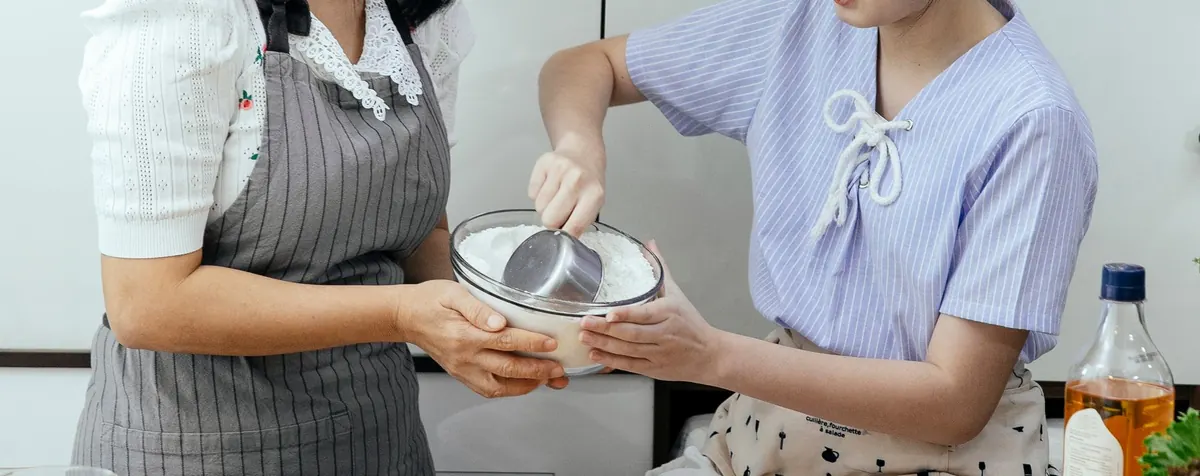
As a rough guide, six cups of berries want about three to four tablespoons of cornstarch or a quarter cup of quick tapioca. Juicy strawberries push you up; blueberries and rhubarb pull you down. Whisk the starch with the sugar before it touches the fruit so you don't get pockets of chalk.
How to Avoid a Soggy Bottom
The bottom crust doesn't fail because of bad luck. It fails because liquid sits against it while the oven is still warming the filling through. You can fix that from three directions.
Before the filling goes in
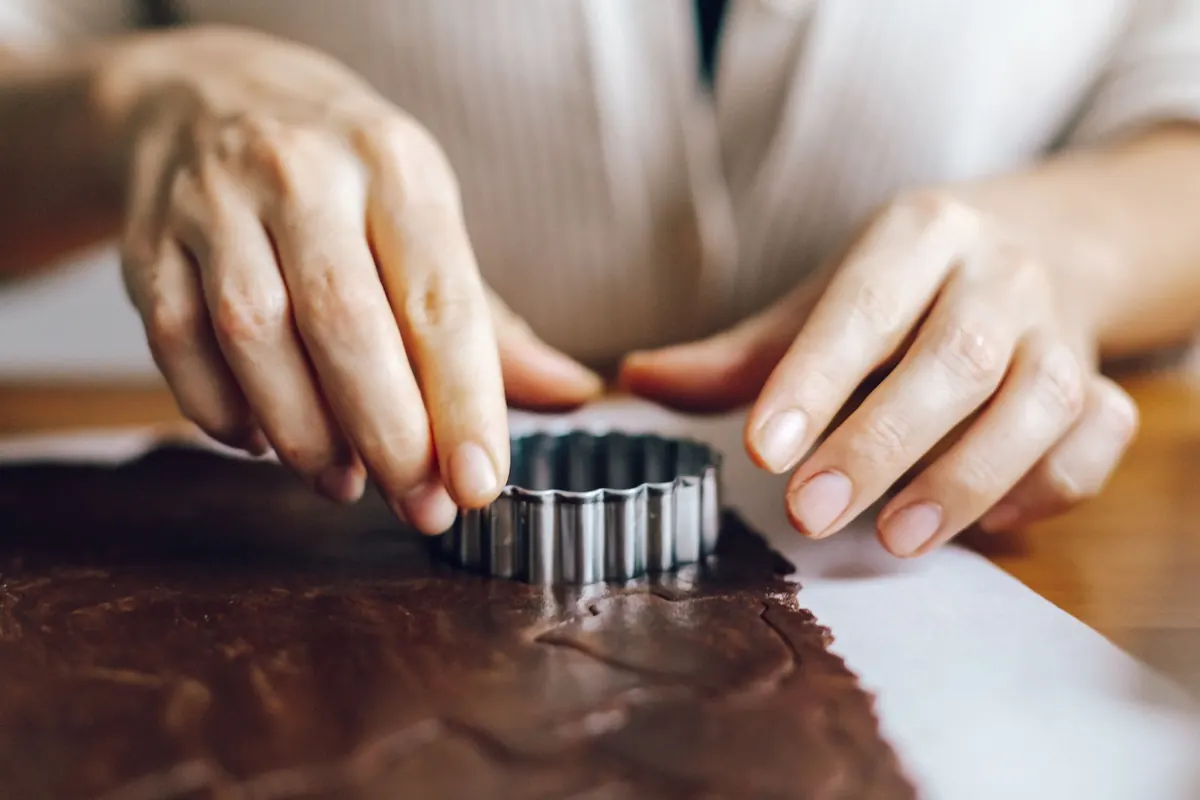
- Chill the dough well, and roll it a little thicker than you think — about an eighth of an inch.
- For a single-crust pie, blind bake with weights until the surface looks dry, then brush it with beaten egg or a thin layer of warmed jam and return it to the oven for a minute. That seals the crust against the fruit.
- For a double crust, freeze the lined pan for fifteen minutes while you make the filling, or brush the raw bottom with egg white.
- Bake on a preheated sheet pan or a pizza stone on a lower rack. Direct heat from below is your friend.
With the filling
Let the sugared fruit sit for fifteen minutes, then drain the juice that collects. Simmer that juice down to a few spoonfuls and stir it back into the fruit. You keep the flavor and lose the puddle. Pile the filling no higher than the rim, dot with butter if the recipe calls for it, and cut real vents in a double crust — four or five, not one decorative slit.
After the bake
Bake until the juices bubble thickly through the vents, not just until the crust is brown. If the edges color too fast, tent them with foil and keep going. Then let the pie cool completely, three to four hours, before you cut it. This is the step everyone skips. A warm berry pie will always run; a cooled one holds.
If you only change one habit this summer, make it this: judge doneness by the bubbling filling, not the clock.
Combinations Worth Trying
Blueberry and peach is the easiest place to start — both fruits set well and the flavors stay distinct. Strawberry and rhubarb teaches you how much sugar really matters, since rhubarb is bracing before it's sweetened. Blackberry and apple gives you structure from the apple and a deep purple color. Raspberry and peach, or raspberry folded into a blueberry base, adds tang without much extra juice.
Bake One This Weekend, Then Take Notes
Keep a short record on your phone or a card in the recipe box: which berries, how much sugar, which thickener and how much, oven temperature, total bake time, and how the slice held up the next day. Two or three summers of notes and you'll have your own formula instead of borrowed guesses.
Serve slices slightly warm with vanilla ice cream, or at room temperature the next day, when the set is often even better. Because the filling contains fresh fruit, any leftovers should go into the fridge within a couple of hours and keep for two or three days, loosely covered so the crust doesn't go soft.
Photo: Christina Voinova / Pexels